- 01Average Roofing Costs by Material
- 02Labor Rates Across Oregon
- 03Roof Size and Complexity Factors
- 04Regional Price Differences
- 05Hidden Costs and Common Upcharges
- 06How to Get Accurate Estimates
- 07Financing and Insurance Considerations
- 08Budgeting for Long-Term Value
Average Roofing Costs by Material
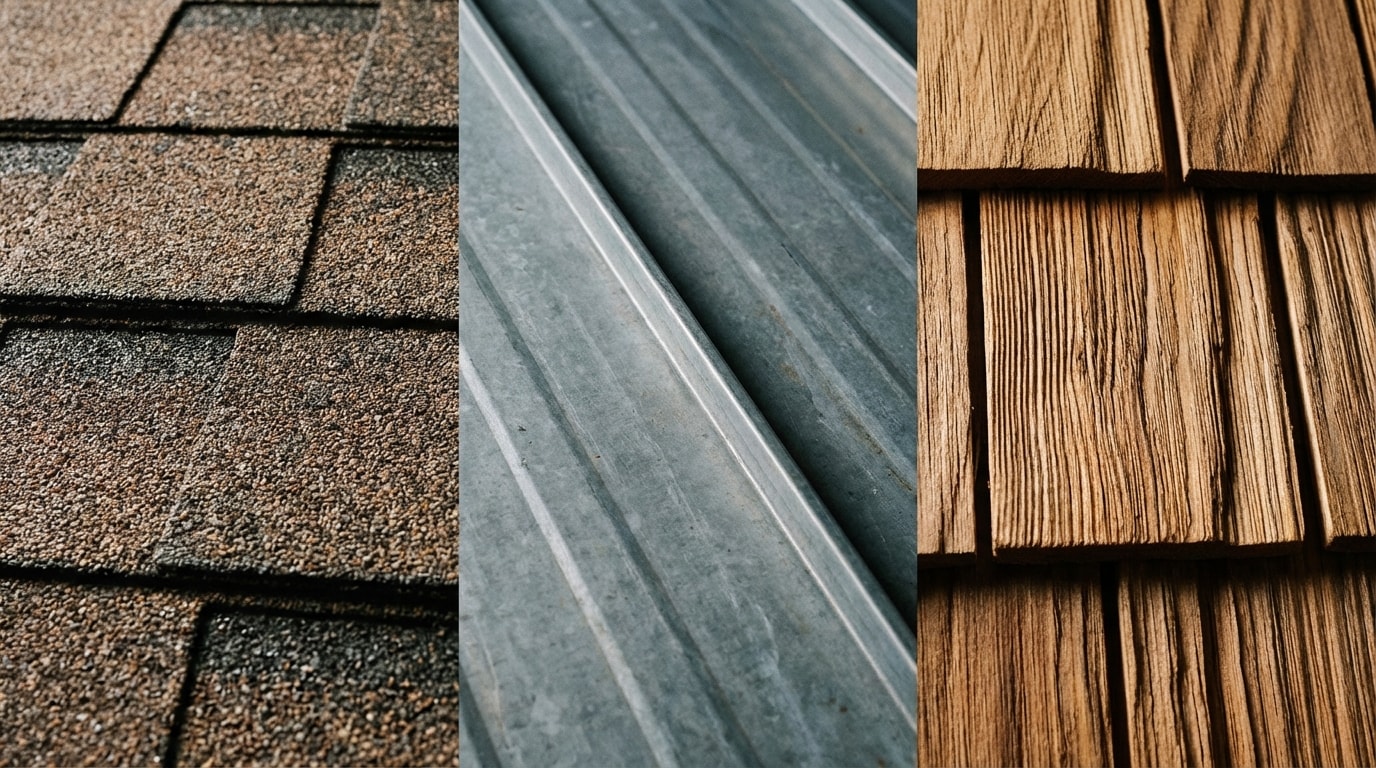
Oregon homeowners have several proven roofing material options, each with distinct price ranges. Architectural asphalt shingles, the most common choice, cost between $350 and $500 per roofing square (100 square feet) installed. Standing seam metal roofing runs $700 to $1,200 per square and is increasingly popular in areas with heavy rain, snow, or wildfire risk. Cedar shake ranges from $600 to $900 per square and remains a signature Pacific Northwest choice for its natural beauty. Flat roofing membranes such as TPO and EPDM cost $350 to $700 per square, primarily used on low-slope residential sections and commercial buildings. These ranges include materials, labor, and standard waste factors for a typical Oregon residential project.
Labor Rates Across Oregon
Labor typically accounts for 40 to 60 percent of your total roofing cost. The Portland metro area commands the highest labor rates in the state due to high demand, cost of living, and the concentration of experienced contractors. Expect labor rates of $75 to $120 per roofing square in Portland, Lake Oswego, West Linn, and surrounding suburbs. Mid-market areas like Salem, Eugene, and Corvallis see rates of $55 to $90 per square. Coastal communities pay a premium of 10 to 20 percent above inland rates due to limited contractor availability and the additional time required for weather-resistant installation details. Eastern Oregon offers the lowest labor rates at $45 to $75 per square, reflecting the lower cost of living and reduced demand.
Roof Size and Complexity Factors
Your roof's total square footage is the primary cost driver, but complexity has an equally significant impact. A simple gable roof with two planes and no dormers is the least expensive to replace because it requires minimal cutting, flashing, and detail work. Each additional feature adds cost: dormers, valleys, hips, skylights, chimneys, and multi-level transitions all require more labor and materials. A complex roof with multiple dormers and steep pitches can cost 30 to 50 percent more per square foot than a simple roof of the same area. Roof pitch also matters, as anything steeper than 8:12 requires specialized safety equipment and slower work, adding 15 to 25 percent to labor costs.
Regional Price Differences
Oregon's geographic diversity creates meaningful regional price variations. The Portland metro area is the most expensive market, with average full replacement costs ranging from $10,000 to $18,000 for a standard home. Lake Oswego, West Linn, and Happy Valley sit at the top of this range due to larger homes and premium material expectations. The Willamette Valley from Salem to Eugene averages $8,500 to $15,000. Coastal cities from Astoria to Coos Bay average $9,000 to $16,000, with the premium reflecting limited contractor pools and harsh weather requirements. Central Oregon around Bend and Sisters averages $10,000 to $18,000 due to snow load engineering and a booming housing market. Eastern Oregon from Pendleton to Baker City offers the lowest costs at $7,000 to $13,000.
Hidden Costs and Common Upcharges
Several factors can increase your final cost beyond the initial estimate. Tear-off and disposal of existing materials adds $100 to $150 per square if not included in the base estimate. Deck repairs from rot or water damage are the most common surprise cost, averaging $50 to $100 per sheet of plywood replaced. Code-required upgrades such as adding ice and water shield in valleys and eaves, upgrading ventilation, or installing drip edge flashing may be necessary to pass inspection. Permit fees in Oregon range from $150 to $500 depending on the jurisdiction. Access difficulty from landscaping, multi-story elevation, or steep driveways can add 5 to 15 percent to labor costs. Always ask your contractor to identify potential additional costs before signing the contract.
How to Get Accurate Estimates
The most reliable way to understand your specific roofing cost is to get three written estimates from licensed Oregon contractors. Each estimate should include an itemized breakdown of materials, labor, tear-off, disposal, permits, and any anticipated additional work. Avoid phone or email-only estimates, as accurate roofing pricing requires an in-person inspection of your current roof condition, deck integrity, ventilation, and access situation. When comparing estimates, ensure each contractor is quoting the same material grade and scope of work. The lowest estimate is not automatically the best value if it specifies lower-quality materials or excludes work items that the other estimates include.
Financing and Insurance Considerations
Many Oregon roofing contractors offer financing through third-party lenders with terms ranging from 12 to 84 months. Interest rates vary, but promotional zero-percent financing for 12 to 18 months is common on projects over $10,000. Homeowner's insurance covers roof damage from covered perils such as windstorms, hail, and fallen trees, but does not cover normal wear and aging. If filing an insurance claim, your contractor can often meet with the adjuster to ensure the scope of damage is accurately assessed. Oregon homeowners should review their policy's actual cash value versus replacement cost provisions, as this distinction significantly affects the payout on an aging roof. Some insurers offer premium discounts for impact-resistant roofing materials, which can offset a portion of the higher upfront cost over time.
Budgeting for Long-Term Value
Choosing the cheapest roofing option rarely delivers the best long-term value. A standard architectural shingle roof costing $12,000 with a 25-year lifespan works out to roughly $480 per year. A standing seam metal roof at $20,000 with a 50-year lifespan costs approximately $400 per year and requires far less maintenance. Factor in energy savings from reflective metal coatings, reduced maintenance costs, and increased home resale value when comparing options. Oregon homeowners who plan to stay in their home for more than 15 years often find that investing in a premium roofing material delivers the lowest total cost of ownership. Discuss your timeline and budget with your contractor to find the material that best balances upfront cost with long-term performance.
What is the average cost to replace a roof in Oregon?
The average cost for a full roof replacement on a standard Oregon home ranges from $8,500 to $18,000 for architectural asphalt shingles, depending on the size of the home, roof complexity, and geographic location. Metal roofing averages $12,000 to $28,000, and cedar shake runs $15,000 to $30,000. These figures include materials, labor, tear-off, and disposal.
Why do roofing costs vary so much between Oregon cities?
Cost variation reflects differences in contractor labor rates, local permitting requirements, material delivery costs, and regional demand. Portland metro areas have the highest costs due to the concentration of demand and higher cost of living. Eastern Oregon and smaller rural communities have lower labor rates and less competition for contractor time, resulting in lower overall project costs.
Does a new roof increase my home's value in Oregon?
Yes. According to national remodeling data, a new asphalt shingle roof recovers approximately 60 to 70 percent of its cost in increased home value at resale. In competitive Oregon markets like Portland, Bend, and the coast, a new roof can recover even more because buyers are reluctant to purchase homes with aging roofs that will need near-term replacement.
Should I repair or replace my Oregon roof?
If your roof is less than 15 years old and the damage is localized to a specific area, repair is usually the more cost-effective option. If the roof is approaching 20 years old, has widespread granule loss, or has experienced multiple repairs in recent years, full replacement is generally the better investment. A licensed contractor can inspect your roof and provide a professional recommendation based on its actual condition.
Are permits required for roofing work in Oregon?
Oregon requires permits for full roof replacements in most jurisdictions. Some areas also require permits for significant repairs. Permit fees typically range from $150 to $500. Your roofing contractor should handle the permit application and any required inspections as part of the project. Always confirm permit responsibility is included in your contract.
Free quotes from vetted Portland contractors. 48-hour response guaranteed.